
Arthritis of the hand can make everyday tasks, such as gripping, typing, and opening a jar, painful or impossible. At Academy Orthopedics, our board-certified specialists offer a full continuum of care, from conservative management to advanced surgical solutions, to help you regain comfort and function. Call us at 770-271-9857 or submit the contact form to schedule a consultation at our Cumming, Buford, or Duluth, GA locations.
What Is the Anatomy of the Hand and Why Does It Matter?
The hand is one of the most complex structures in the human body. Its 27 bones work together with tendons, ligaments, and cartilage to produce the fine motor control we rely on every day. Understanding this anatomy helps explain why arthritis in the hand can have such a significant impact on quality of life.
Carpals
8 small bones forming the wrist, connecting the hand to the forearm
Metacarpals
5 bones forming the palm, linking the wrist to the fingers
Phalanges
14 bones making up the fingers and thumb, 3 per finger, 2 in the thumb
Articular Cartilage
Smooth tissue covering bone ends, enabling fluid, pain-free joint movement
Synovial Fluid
Lubricating fluid inside joints that nourishes cartilage and reduces friction
Ligaments & Tendons
Connective tissue stabilizing and moving the joints in concert
Articular cartilage has no blood supply of its own; it relies on synovial fluid for nutrients. Once damaged, it has very limited capacity to heal on its own, which is why early treatment and specialist guidance matter.
What Is Arthritis of the Hand and Fingers?

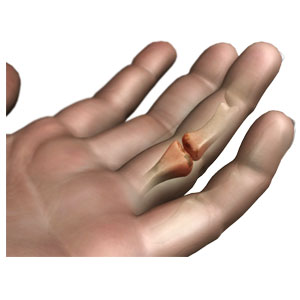
Hand arthritis occurs when the articular cartilage protecting the joints gradually breaks down. Without this cushioning layer, bones can grind against one another, triggering pain, swelling, stiffness, and progressive joint damage. Any of the hand’s many joints can be affected, though arthritis most commonly targets the small joints of the fingers and the base of the thumb (the carpometacarpal joint).
Arthritis is not a single disease. Several distinct forms can affect the hand, each with different underlying causes and treatment considerations.
What Are the Different Types of Hand Arthritis?
Identifying the specific type of arthritis affecting your hand or wrist is important because treatment recommendations can vary significantly. The three most common forms of hand arthritis include:
| Type of Arthritis | Description | Common Areas Affected |
|---|---|---|
| Most Common Osteoarthritis (OA) | A degenerative “wear-and-tear” form of arthritis caused by cartilage breakdown over time. It often develops gradually with age or repetitive hand use. | Frequently affects the DIP joints (closest to the fingernails), PIP joints (middle knuckles), and the base of the thumb. |
| Inflammatory Rheumatoid Arthritis (RA) | An autoimmune disease in which the body attacks the joint lining (synovium), leading to chronic inflammation, stiffness, swelling, and possible joint deformity. | Commonly affects the same joints on both hands symmetrically. |
| Post-Injury Post-Traumatic Arthritis | Arthritis that develops after a previous fracture, dislocation, or ligament injury to the hand or wrist. Damage from the original injury can speed up cartilage deterioration. | Often develops in joints previously affected by trauma or instability. |
Who Is Most at Risk for Developing Hand Arthritis?
While arthritis can develop in anyone, several factors increase the likelihood of hand arthritis:
- Age 50+
- Female sex
- Family history
- Prior hand injury
- Repetitive hand use
- Obesity
- Autoimmune conditions
- Joint hypermobility
Occupations or activities that place sustained stress on the small joints of the hand, such as construction work, music performance, or certain sports, may also raise risk over time.
What Are the Common Symptoms of Hand Arthritis?
Symptoms of hand arthritis usually develop gradually and may initially be mistaken for normal age-related stiffness or overuse. Recognising early signs can help ensure timely assessment and treatment.
Joint Pain
Joint pain may present as a dull ache or sharp discomfort during hand use. In more advanced stages, pain can continue even at rest or during the night.
Stiffness
Stiffness is often most noticeable in the morning or after periods of inactivity. It may take time for the fingers to loosen and move comfortably.
Swelling
Swelling around the finger joints can occur due to inflammation within the joint lining. This may appear as puffiness or feel tender to the touch.
Reduced Grip Strength
Reduced grip strength is common and may make everyday tasks such as opening jars, turning keys, or holding objects more difficult.
Crepitus
Crepitus refers to a grinding, clicking, or grating sensation when moving the fingers. It is caused by changes in cartilage and joint surfaces.
Finger Deformity or Joint Changes
Over time, arthritis can lead to visible joint changes, including bony enlargements such as Heberden’s nodes or Bouchard’s nodes, and finger misalignment.
Warmth or Redness
Warmth and redness are signs of inflammation. These features are more commonly associated with inflammatory forms such as rheumatoid arthritis, especially during flare-ups.
Reduced Fine Motor Skills
Loss of dexterity can make precise tasks such as buttoning clothing, writing, or typing more challenging as the condition progresses.
When should you see a specialist for hand arthritis symptoms?
If you experience persistent pain, stiffness, or difficulty using your hands, it is advisable to seek an orthopedic evaluation. Early intervention may help preserve joint function and slow progression.
If symptoms are ongoing or worsening, contacting Academy Orthopedics for an assessment is recommended to explore appropriate hand arthritis treatment options tailored to your condition.
How Is Hand Arthritis Diagnosed?
An accurate diagnosis is essential for developing an effective and targeted treatment plan for hand arthritis. At Academy Orthopedics, evaluation is comprehensive and typically includes a combination of clinical assessment, imaging, and laboratory testing when appropriate.
Physical Examination
Your physician will begin with a detailed hands-on evaluation. This includes assessing:
- Joint tenderness and pain response
- Swelling and inflammation around the joints
- Range of motion in the fingers, thumb, and wrist
- Grip strength and functional hand use
- Any visible deformity, stiffness, or joint instability
This step helps determine which joints are affected and how significantly hand function has been impacted.
What Imaging Tests Are Used for Hand Arthritis?
Imaging is a key part of confirming the diagnosis and understanding disease severity. The most commonly used test is:
- X-rays (primary imaging tool): These can show joint space narrowing from cartilage loss, bone spur formation (osteophytes), and changes in bone alignment that reflect arthritis progression.
In certain cases, additional imaging may be recommended:
- MRI scans: Useful for evaluating soft tissue structures, early cartilage damage, and inflammation not visible on X-rays
- Ultrasound: Helpful for detecting active inflammation, fluid buildup, and soft tissue changes around the joints
Are Blood Tests Needed to Diagnose Hand Arthritis?
Laboratory testing is not always required, but becomes important when an inflammatory or autoimmune form of arthritis is suspected, such as rheumatoid arthritis. Common blood tests include:
- Rheumatoid factor (RF)
- Anti-CCP antibodies
- Inflammatory markers such as ESR (erythrocyte sedimentation rate) and CRP (C-reactive protein)
These tests help confirm inflammatory arthritis and guide more targeted treatment decisions.
What Are the Non-Surgical Treatment Options for Hand Arthritis in Georgia?
Most patients with hand arthritis can experience meaningful symptom relief without surgery. At Academy Orthopedics, treatment is typically guided in a stepwise manner, beginning with conservative options tailored to the severity of symptoms, functional needs, and lifestyle.
First-Line Care: Activity Modification and Lifestyle Adjustments
Early treatment focuses on reducing stress placed on affected joints while maintaining hand function. This may include:
- Modifying repetitive or high-strain hand activities
- Using ergonomic tools and adaptive equipment
- Adjusting grip techniques to reduce joint pressure
- Incorporating joint-protection strategies into daily tasks
These changes help decrease pain and inflammation while preserving independence and function.
Hand Therapy and Splinting
A certified hand therapist plays an important role in non-surgical management. Treatment may include:
- Guided exercises to maintain or improve the range of motion
- Strengthening of surrounding muscles to support joint stability
- Education on joint protection and energy conservation techniques
Custom or prefabricated splints may also be recommended. These devices help:
- Rest inflamed joints
- Reduce pain during activity or at night
- Provide stability during tasks that stress the hand
Anti-Inflammatory Medications
Medications are often used to manage pain and reduce inflammation. Common options include:
- Oral nonsteroidal anti-inflammatory drugs, which reduce both pain and inflammation
- Topical nonsteroidal anti-inflammatory gels are applied directly to affected joints to limit systemic side effects
For patients with inflammatory arthritis such as rheumatoid arthritis, disease-modifying antirheumatic drugs (DMARDs) may be prescribed in coordination with a rheumatologist to slow disease progression and control systemic inflammation.
Corticosteroid Injections
When pain and inflammation persist despite initial treatment, corticosteroid injections may be recommended. These injections:
- Deliver strong anti-inflammatory medication directly into the affected joint
- Can provide relief ranging from several weeks to a few months, depending on the individual case
- May be used to reduce symptoms during flare-ups or delay the need for surgery
They are often used as part of a broader treatment plan rather than a permanent solution.
What Surgical Treatment Options Are Available for Hand Arthritis in Georgia?
When non-surgical treatments no longer provide sufficient relief and hand arthritis begins to significantly interfere with daily activities, surgical intervention may be recommended. The goal of surgery is to reduce pain, improve hand stability, and restore as much function as possible. The most appropriate procedure depends on the specific joints involved, the severity of degeneration, and individual functional needs.
What Is Artificial Finger Joint Replacement (Arthroplasty)?
Artificial finger joint replacement involves removing the damaged joint surfaces and replacing them with a prosthetic implant, typically made of silicone or pyrocarbon. This procedure is designed to preserve movement while significantly reducing pain and improving hand function.
It is most commonly used for the proximal interphalangeal (PIP) and metacarpophalangeal (MCP) joints in patients with moderate to severe osteoarthritis or rheumatoid arthritis who still require joint mobility for daily activities.
What Is Joint Fusion (Arthrodesis)?
Joint fusion, also known as arthrodesis, involves removing the damaged joint surfaces and permanently fusing the bones using hardware such as screws, plates, or wires. While this eliminates motion at the affected joint, it provides strong stability and reliable, long-term pain relief.
This procedure is often recommended for distal interphalangeal (DIP) joints, severely damaged joints, cases with significant ligament or tendon involvement, or when previous joint replacement has failed. It is also frequently considered for patients whose work or lifestyle demands high joint strength and durability.
Are Additional Procedures Used for Thumb Arthritis?
Yes. For thumb carpometacarpal (CMC) joint arthritis, additional reconstructive options may be used depending on severity and patient needs. Common procedures include ligament reconstruction and tendon interposition (LRTI) or trapezium excision. These techniques aim to stabilize the thumb, reduce pain, and maintain functional grip and pinch strength.
Your orthopedic surgeon will evaluate the condition of the joint and recommend the most appropriate surgical approach based on your symptoms, imaging findings, and lifestyle requirements.
Not sure which treatment is right for you? Our specialists will walk you through every option. Book a consultation now.
What Can You Expect During Recovery After Hand Arthritis Surgery?
Recovery following hand arthritis surgery depends on the specific procedure performed (such as joint replacement or fusion), the number of joints treated, and individual healing factors. While timelines vary, recovery generally progresses through staged phases focused on protection, gradual movement, and functional restoration.
What Happens in the First 1–2 Weeks After Surgery?
During the early recovery period, the primary focus is on protecting the surgical site and controlling swelling.
- The hand is typically immobilized in a splint or cast
- Elevation is strongly recommended to reduce swelling
- Ice may be used if advised by the surgeon
- Pain is managed with prescribed medication
- Wound care instructions are followed closely
This phase is especially important for the proper healing of soft tissues and surgical repairs.
When Does Hand Therapy Start After Surgery?
Hand therapy may begin within the first 1–3 weeks, depending on the procedure and the hand arthritis surgeon’s protocol.
- After joint replacement, gentle motion is often introduced early to prevent stiffness
- After joint fusion, therapy is typically delayed until initial bone healing is confirmed
- A certified hand therapist guides exercises to restore movement, strength, and function safely
Therapy is a key part of recovery and is tailored to the type of surgery performed.
When Can You Return to Daily Activities After Surgery?
Return to daily activities is gradual and depends on healing progress and the demands of the activity.
- Light activities of daily living are often resumed around 6–10 weeks
- More demanding tasks, including manual work or sports, may require 2–4 months or longer
- Your surgical team provides individualized guidance based on strength, motion, and healing
It is important not to rush this phase to avoid complications or setbacks.
How Long Does Full Recovery Take After Hand Arthritis Surgery?
Full recovery varies, but most patients continue to see improvement over several months.
- Functional recovery typically develops over 3–6 months
- Strength and fine motor improvements may continue for up to 6–12 months, particularly after joint replacement
- Follow-up visits are used to monitor healing and guide progression
Outcomes depend on the procedure, joint condition before surgery, and commitment to rehabilitation.
Ready to Take the Next Step in Treating Hand and Finger Arthritis in Georgia?
At Academy Orthopedics, our goal is to help you move beyond the limitations of hand and finger arthritis with care that is thoughtful, precise, and tailored to your needs. Whether your symptoms are just beginning or have progressed over time, our board-certified orthopedic specialists are here to guide you through every option, from conservative treatment to advanced surgical care, with a clear focus on restoring comfort and function.
You do not have to navigate persistent hand pain, stiffness, or loss of grip strength on your own. A thorough evaluation can help identify the cause of your symptoms and create a treatment plan designed specifically for your condition and lifestyle.
We proudly serve patients in Cumming, Buford, and Duluth, GA. Call 770-271-9857 or submit our online contact form today to schedule your consultation with Academy Orthopedics and take the first step toward improved hand function and lasting relief.
Frequently Asked Questions
Can hand arthritis be cured?
There is currently no cure for arthritis, but symptoms can be very effectively managed. Many patients achieve substantial pain relief and restored function through a combination of non-surgical and, where necessary, surgical treatments.
How do I know if my hand pain is arthritis or something else?
Conditions such as trigger finger, carpal tunnel syndrome, and tendinitis can produce similar symptoms. A specialist examination, combined with imaging, is the most reliable way to establish a diagnosis. We recommend an evaluation if pain persists beyond a few weeks or limits your daily activities.
Will I lose the use of my hand if I have arthritis?
With appropriate treatment, most patients retain good hand function. Early intervention is key — the earlier arthritis is managed, the better the long-term outlook for preserving joint integrity and mobility.
Is surgery always necessary for hand arthritis?
No. The majority of hand arthritis cases are managed successfully without surgery. Surgery is considered when non-surgical options have been thoroughly explored, and symptoms continue to significantly affect daily life.