

Our hands do more than we often realize; they type, text, lift, grip, and gesture, performing hundreds of movements each day. So when discomfort, stiffness, numbness, or unusual finger movements appear, even simple tasks like holding a coffee cup or buttoning a shirt can become frustrating.
Many common hand conditions develop gradually, often going unnoticed until pain or limited movement starts interfering with your routines. Early recognition of key signs such as pain, swelling, stiffness, finger locking, or numbness can make a significant difference in treatment outcomes and help you avoid surgery or more invasive interventions.
In this guide, we’ll walk you through the most frequent non-traumatic hand conditions our specialists at Academy Orthopedics encounter.
At Academy Orthopedics, our hand specialists provide personalized evaluations and treatment plans to help you regain strength, comfort, and function. Whether your condition is mild or has progressed, early intervention can prevent further complications and improve your quality of life. Contact us today at 770-271-9857 to schedule an appointment and take the first step toward healthier, more functional hands.
👉Also Read: Is Your Wrist Sprained or Fractured? Expert Guidance from an Orthopedic Surgeon in Duluth, GA
Ganglion Cysts of the Hand and Wrist

A ganglion cyst is the most common noncancerous tender lump in the hand and wrist, according to the American Academy of Orthopaedic Surgeons. These fluid-filled cysts are typically round or oval, contain a thick, gel-like fluid, and arise from a joint capsule or tendon sheath.
Common Locations
- Back of the wrist (most frequent)
- Palm side near the radial artery
- Base of the fingers on the palm side
- Around finger joints
Most ganglion cysts can change in size over time and may even disappear and reappear on their own. Many ganglion cysts cause no symptoms and are discovered incidentally during routine examinations.
Typical Symptoms Include
- A visible, soft, or firm lump that may be tender
- Aching or sharp pain with movement or pressure
- A sense of fullness or pressure in the affected area
- Limited wrist or finger range of motion
- Tingling or weakness if the cyst presses on nearby nerves
When a cyst is small and painless, watchful waiting is often sufficient. Treatment may be recommended if there is persistent pain, rapid growth, nerve-related symptoms, or a significant cosmetic concern.
Treatment Options
| Approach | Description |
|---|---|
| Observation | Monitoring a small, painless cyst over time |
| Splinting | Temporary immobilization to reduce swelling and discomfort |
| Aspiration procedure | Draining fluid from the cyst with a needle (may recur) |
| Surgical excision | Surgery involves removing the cyst and its stalk for persistent or recurrent cases |
Your doctor may recommend treatment based on a physical exam and, in some cases, imaging such as X-rays to confirm the diagnosis. In many cases, shining a light through the lump (transillumination) can help confirm that it is fluid-filled rather than solid.
Dupuytren’s Contracture

Dupuytren’s contracture occurs when the palmar fascia, the tissue in the palm, gradually thickens and tightens, forming nodules and cords that can pull fingers into a bent position. The ring finger and small finger are most commonly affected.
Early Signs
- Small, firm nodules near the base of the fingers
- Skin puckering or dimpling
- A feeling of tightness when trying to fully straighten the fingers
Progression
Over months or years, the nodules may develop into thick cords, gradually curling the fingers toward the palm. Patients may eventually be unable to lay their hand flat or fully open it.
Functional Impact
- Difficulty shaking hands or putting on gloves
- Trouble washing the face or reaching into pockets
- Challenges with activities that require a flat palm, such as yoga or push-ups
Dupuytren’s contracture is usually not painful, which can delay treatment. Intervention is considered when finger contracture interferes with daily activities. Treatment options include:
- Enzyme injections to break down contracted tissue
- Needle aponeurotomy to release cords
- Surgical release to restore hand mobility
Early recognition and treatment can help preserve hand function and prevent long-term limitations.
Trigger Finger (Stenosing Tenosynovitis)
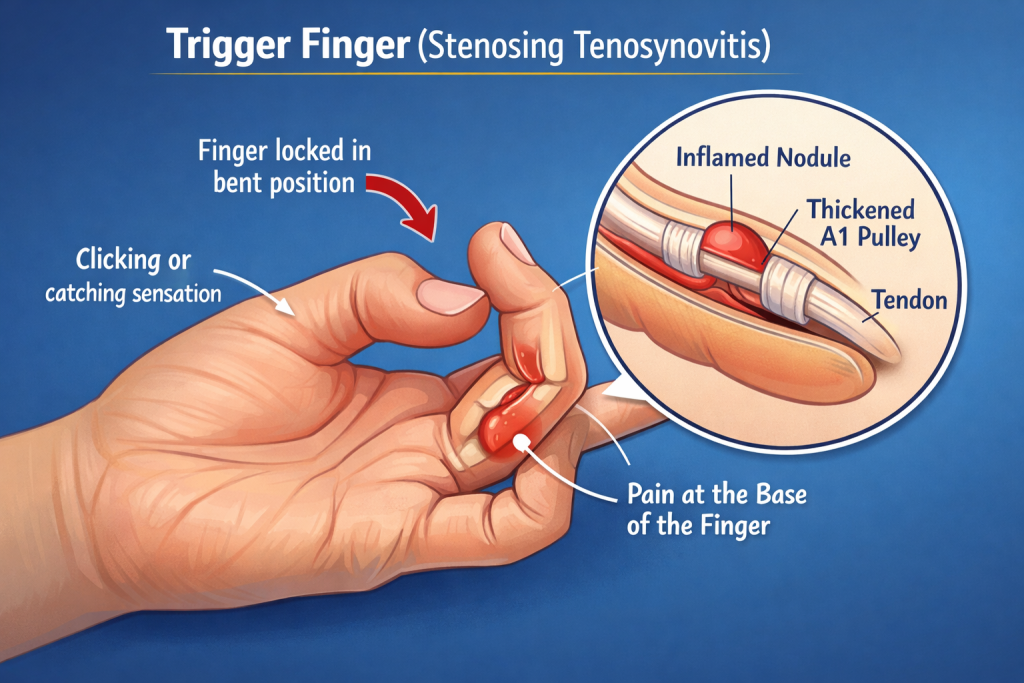
Trigger finger occurs when the flexor tendon of a finger or thumb becomes irritated and thickened, making it difficult for the tendon to glide smoothly through the tendon sheath at the A1 pulley. This condition, also called stenosing tenosynovitis, can affect any finger but is particularly common in the ring finger, middle finger, and thumb (trigger thumb).
Common Symptoms
- Catching, clicking, or snapping sensation when bending or straightening the affected finger
- Morning stiffness with the finger stuck or locked in a bent position
- Pain or tenderness at the base of the finger joint in the palm
- A small palpable bump or nodule in the palm
Symptoms often worsen after repetitive gripping, tool use, or prolonged grasping of a steering wheel or phone. In more advanced cases, the finger may become stuck in a bent position and must be straightened with the other hand, an alarming experience for many patients.
Treatment Approaches
- Activity modification to reduce swelling and irritation
- Splinting to limit finger flexion, especially at night
- Anti-inflammatory medications to provide relief
- Corticosteroid injections into the joint or tendon sheath
- A minor outpatient procedure to release the A1 pulley if conservative measures fail
If left untreated, trigger finger may lead to permanent stiffness, so early intervention is important.
Cubital Tunnel Syndrome (Ulnar Nerve Compression at the Elbow)

Cubital tunnel syndrome develops when the ulnar nerve is compressed at the inside of the elbow, commonly called the “funny bone.” Even though the problem starts at the elbow, symptoms are usually felt in the hand, especially in the ring and small fingers.
Signs and Symptoms
- Numbness and tingling in the ring and small fingers
- Symptoms that worsen at night or when the elbow stays bent
- Aching pain along the inner elbow or forearm
- Weak grip strength
- Dropping objects or hand clumsiness
What Makes It Worse?
- Sleeping with elbows bent
- Holding a phone to the ear for long periods
- Driving with the arm resting on the window or door
- Leaning on hard surfaces at a desk
When It Becomes Serious
If nerve compression continues, muscle loss can occur in the hand, especially between the thumb and index finger. Without treatment, patients may develop constant numbness and difficulty with fine motor tasks such as buttoning clothing or typing.
Treatment Options
Most cases begin with conservative care:
- Activity modification and ergonomic adjustments
- Nighttime elbow splinting
- Guided nerve gliding exercises
- Anti-inflammatory measures when appropriate
If symptoms persist or worsen, a surgical procedure may be recommended to relieve pressure on the ulnar nerve.
Early diagnosis improves outcomes and helps prevent permanent nerve damage. If you are experiencing persistent numbness or weakness in your hand, evaluation by an orthopedic specialist is important.
Carpal Tunnel Syndrome (Median Nerve Compression at the Wrist)

Carpal tunnel syndrome is the most common nerve compression condition affecting the hand and wrist. It occurs when the median nerve becomes compressed as it travels through the carpal tunnel, a narrow passageway in the wrist. Symptoms often develop gradually and may worsen over time.
Classic Symptoms
- Numbness and tingling in the thumb, index, middle, and part of the ring finger
- Hand pain at night that may wake you from sleep
- Weakness in the hand
- Difficulty gripping small objects
- Trouble with fine tasks such as fastening jewelry or holding utensils
Early Warning Signs
- Symptoms triggered while driving, reading, or holding a phone
- Frequently shaking the hands to relieve tingling
- Intermittent burning or electric sensations in the fingers
- Pain that improves with rest but returns with activity
Carpal tunnel syndrome can progress if left untreated, so early evaluation is important when symptoms become persistent or interfere with daily activities.
Risk Factors for Carpal Tunnel Syndrome
| Category | Examples |
|---|---|
| Occupational | Assembly line work, prolonged tool use, vibrating tools |
| Medical | Diabetes, thyroid disorders, rheumatoid arthritis, obesity |
| Anatomical | Smaller carpal tunnel anatomy, family history |
| Other | Pregnancy, obesity, aging |
Both office workers and manual laborers can develop carpal tunnel syndrome. In most cases, numbness and tingling are present for months before noticeable muscle weakness occurs. This early phase provides an important opportunity for intervention before permanent nerve damage develops.
Diagnosis and Treatment
A focused physical examination, including Tinel’s and Phalen’s tests, can help identify carpal tunnel syndrome. When symptoms are atypical, severe, or when surgery is being considered, nerve conduction studies (EMG) may be ordered to confirm the diagnosis and assess the degree of nerve involvement.
Treatment Options
- Wrist splinting, particularly at night
- Activity modification to reduce strain
- Corticosteroid injections in selected cases
- Carpal tunnel release surgery for persistent, severe symptoms or when there is evidence of nerve damage
Early evaluation improves outcomes and can often prevent progression to advanced nerve compression.
👉Also Read: What Are the Common Conditions That Mimic Carpal Tunnel Syndrome? Orthopedic Surgeon in Duluth, GA, Explains
Wrist Tendonitis (Including De Quervain’s Tendonitis)
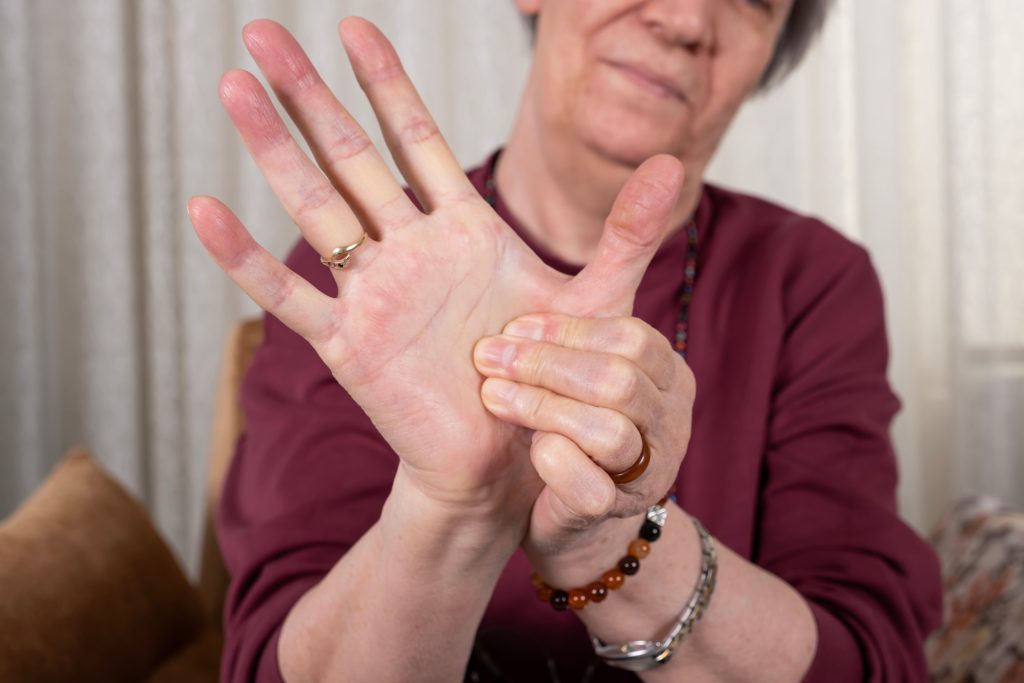
Tendonitis is inflammation or irritation of the tendons around the wrist. De Quervain’s tendonitis specifically affects the tendons on the thumb side of the wrist that control lifting and extending the thumb.
Typical Symptoms
- Pain and swelling near the base of the thumb and radial side of the wrist
- Tenderness when pressing over the affected area
- Sharp pain with gripping, lifting a baby, turning keys, or pouring from a heavy container
- Hesitation or difficulty when moving the thumb
Who Is at Risk
- New parents who frequently lift and hold babies
- Individuals who text or use smartphones extensively
- Workers performing repetitive thumb and wrist motions, such as hairstylists, mechanics, and assembly-line workers
A hand specialist can diagnose De Quervain’s clinically using provocative maneuvers, such as the thumb-in-fist stretch, which reproduces pain along the thumb side of the wrist.
Treatment Strategies
- Rest and activity modification to reduce repetitive thumb motions
- Thumb spica splint to immobilize the thumb and wrist
- Anti-inflammatory medications to reduce swelling
- Targeted hand therapy
- Corticosteroid injections into the tendon sheath
- Surgical release for persistent or severe cases
Early recognition and treatment often relieve symptoms and prevent long-term functional limitations.
Arthritis of the Hand and Wrist
Arthritis is a common cause of hand pain and disability. It is important to distinguish between osteoarthritis, a degenerative “wear-and-tear” condition, and inflammatory arthritis, such as rheumatoid or psoriatic arthritis.
Common Locations
- Base of the thumb (CMC joint), often painful with pinching or opening jars, especially in people over 50
- Finger joints (DIP and PIP)
- Wrist joints
Key Symptoms
| Symptom | Description |
|---|---|
| Joint pain | Pain with use, particularly gripping or pinching |
| Stiffness | Most noticeable in the morning, improves with gentle activity |
| Swelling | Bony enlargement around affected joints |
| Weakness | Reduced grip and pinch strength |
| Limited motion | Difficulty turning doorknobs, opening jars, or twisting bottle caps |
Over time, visible changes may appear, including knobby or enlarged finger joints, finger misalignment, and deformities that make the hand appear crooked. A bump at the base of the thumb may indicate arthritis in the CMC joint.
Treatment Goals and Options
- Medications to manage pain and inflammation
- Splints or braces to support affected joints
- Hand therapy to maintain strength and mobility
- Activity modification and adaptive devices
- Corticosteroid injections in selected joints
- Surgery (joint fusion or replacement) for severe, function-limiting arthritis
Inflammatory arthritis can reduce hand function earlier than osteoarthritis, but modern biologic therapies have significantly slowed disease progression.
When to See a Hand Specialist in Cumming, GA
Occasional mild aches or stiffness in the hand can be normal, but certain symptoms should prompt timely evaluation by a hand specialist or orthopedic surgeon.
Warning Signs That Require Evaluation
- Pain, numbness, tingling, or stiffness lasting more than a few weeks
- A lump that is growing or causing discomfort
- Fingers that lock, catch, or curl toward the palm
- Visible deformity or changes in bone alignment
- Hand weakness affecting work, sleep, or daily self-care
Progressive symptoms, night pain that wakes you, or loss of hand function, such as dropping objects, difficulty buttoning, or inability to straighten fingers, may indicate nerve or tissue damage. Early evaluation improves the chances of successful treatment.
Importance of Accurate Diagnosis and Treatment Planning
A hand specialist typically begins with a detailed medical history and focused physical examination. Imaging tests or nerve studies may be used to confirm the diagnosis. This information guides a personalized treatment plan tailored to your activities, lifestyle, and goals.
The good news is that many hand conditions respond well to non-surgical treatments when addressed early. If surgery is required, it is often performed on an outpatient basis with a structured recovery plan to restore hand function safely and effectively.
👉Also Read: Can Holding Your Phone Cause Carpal Tunnel Syndrome? Insights from an Orthopedic Surgeon in Buford, GA
Ready to Protect Your Hand Health? Contact Academy Orthopedics Today
Your hands are essential for everything you do, from work to hobbies to daily self-care. Even mild or intermittent pain, stiffness, numbness, or unusual finger movements can signal a condition that benefits from early treatment.
At Academy Orthopedics, our board-certified hand specialists in Cumming, Buford, and Duluth, GA, are dedicated to providing personalized care in a warm, patient-centered environment. We focus on diagnosing and treating hand and wrist conditions with options ranging from non-surgical therapy to outpatient procedures when necessary.
Don’t wait until discomfort interferes with your daily life. If you notice any of the following, reach out to us promptly:
- Persistent pain, numbness, or tingling
- Fingers that lock, catch, or curl toward the palm
- Swelling, lumps, or visible deformities
- Weakness affecting your grip or hand function
Call us today at 770-271-9857 to schedule an appointment or request a new patient consultation online. At Academy Orthopedics, we are committed to helping you restore function, reduce pain, and get back to doing the things you love with confidence.
Frequently Asked Questions
Can hand problems like carpal tunnel or tendonitis improve on their own?
Mild, early symptoms may improve with rest and activity changes. However, many conditions, especially nerve compression or progressive contractures, can worsen if untreated. Symptoms lasting more than four to six weeks, or those affecting work, sleep, or daily tasks, should be evaluated by a hand specialist. Early intervention often prevents more invasive treatment later.
Is hand numbness always caused by carpal tunnel syndrome?
No. While carpal tunnel is common, similar numbness can result from cubital tunnel syndrome, neck issues, or other nerve disorders. The pattern of numbness, which fingers are affected, and triggers help specialists determine the cause. Persistent or worsening numbness, especially with weakness or dropping objects, requires full evaluation and possible nerve testing.
When is surgery necessary for hand conditions?
Surgery is considered when conservative treatments, splints, medications, steroid injections, therapy, or activity modification fail, or when structural damage, progressive deformity, or nerve injury is present. Examples include carpal tunnel release for severe nerve compression, cyst excision for recurring lumps, or release procedures for trigger finger. Most hand surgeries are outpatient, and specialists weigh risks, benefits, and lifestyle impact before recommending a procedure. Many of these can even be done under local anesthesia.
Can exercises prevent hand and wrist conditions?
Exercises cannot prevent all conditions, but stretching and strengthening fingers, thumbs, and wrists can support joint health and reduce strain from repetitive tasks. Micro-breaks during typing or manual work to stretch and move the hands and wrists are beneficial. Exercises should never cause sharp pain; if they worsen symptoms, stop and seek professional guidance.