

Shoulder pain is one of the most common joint complaints in adults over 30, and residents of Buford, GA, are no exception. Whether you’re throwing softballs at a local park, kayaking on Lake Lanier, lifting at work, or sitting at a desk near the Mall of Georgia, your shoulders take the brunt of nearly every upper-body movement. The shoulder’s impressive range of motion comes with a downside, it is prone to injury and wear over time.
Not all shoulder pain is the same. A dull ache, sharp stabbing pain, burning, or radiating discomfort can come from tendons, muscles, the joint itself, or even from other areas like your neck or heart. Knowing the type of pain you feel is key to getting the right treatment and avoiding prolonged frustration with approaches that don’t address the real problem.
This guide will help Buford residents identify different shoulder pain patterns and understand when to try self-care versus when it’s time to see an orthopedic specialist. Early evaluation of issues like rotator cuff tears, frozen shoulder, or arthritis often leads to faster recovery, less invasive treatment, and a quicker return to the activities you love.
If shoulder pain is interfering with your daily life or keeping you from the activities you enjoy, don’t wait to seek professional guidance. At Academy Orthopedics in Buford, GA, our team is dedicated to accurately diagnosing the source of your shoulder discomfort and creating a personalized treatment plan tailored to your needs. From rotator cuff injuries to arthritis or frozen shoulder, early evaluation can make all the difference in recovery and long-term joint health. Contact us today at 770-271-9857 to schedule your consultation and take the first step toward pain-free movement and a stronger, healthier shoulder.
👉Also Read: Choosing the Right Specialist: What Doctor Should I See for Shoulder Pain?
Understanding Shoulder Anatomy and Why It Matters
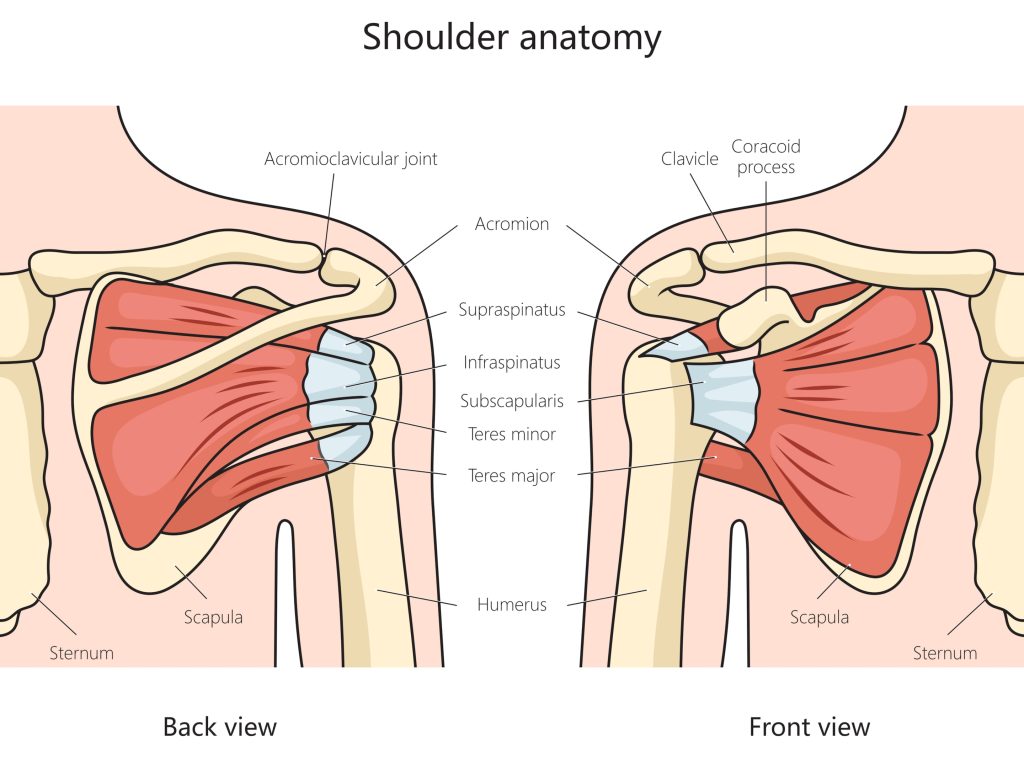
The shoulder is a highly mobile and complex joint made up of three bones: the humerus (upper arm bone), the scapula (shoulder blade), and the clavicle (collarbone). While often described as a ball-and-socket joint, a more precise analogy is a golf ball balanced on a tee. The rounded top of the humerus, called the humeral head, fits into a shallow socket on the scapula called the glenoid, forming the glenohumeral joint. This design prioritizes mobility over stability, which is why the shoulder can move in nearly every direction but is also more prone to injury.
The rotator cuff, a group of four muscles and their tendons, wraps around the humeral head like a shirt cuff, stabilizing the joint and allowing smooth movement. Above the joint lies the acromioclavicular (AC) joint, where the collarbone meets the outer edge of the shoulder blade. Small fluid-filled sacs called bursae cushion the joint, reducing friction between bones, muscles, and tendons during movement.
Understanding shoulder anatomy matters because different structures produce distinct pain patterns. Rotator cuff issues typically cause pain on the outside of the shoulder when lifting the arm. AC joint arthritis usually leads to pain on the top of the shoulder. Nerve-related problems can cause radiating or shooting pain down the arm toward the elbow or hand. Being familiar with these basics helps you describe your symptoms clearly when visiting an orthopedic specialist in Buford, enabling faster, more accurate diagnosis and treatment.
👉Also Read: Your Journey to Shoulder Recovery Begins Here: Meeting an Orthopedic Doctor
Types of Shoulder Pain by Sensation
The quality of your shoulder pain often provides clues about its cause. Does it ache deeply, stab sharply with movement, burn, or shoot down your arm? Each sensation points to different underlying conditions. While only a thorough medical evaluation, including a physical exam and sometimes imaging, can confirm the cause, recognizing patterns helps you describe your symptoms clearly and decide whether urgent care is needed.
Burning, Warm, or Throbbing Pain
A burning or warm sensation, sometimes accompanied by swelling, redness, or warmth, usually indicates inflammation. Common causes include bursitis, active tendonitis, or rheumatoid arthritis flares.
Bursitis occurs when the fluid-filled sacs that cushion your shoulder become inflamed, causing localized warmth and discomfort that typically improves with rest, ice, and anti-inflammatory treatment. Urgent attention is needed if burning pain is severe, rapidly worsening, or accompanied by fever, chills, or spreading redness, as this may signal infection.
Aching or Dull Pain
A deep, persistent ache usually worsens at night or after activity and often develops gradually over weeks or months. This type of pain may first appear when sleeping on the affected side or after weekend activities like swimming or playing softball.
Common causes include rotator cuff tendinitis, partial rotator cuff tears, frozen shoulder (adhesive capsulitis), and early arthritis of the shoulder or AC joint. Repetitive overhead activities, such as painting, stocking shelves, or lifting, can increase risk. Dull pain that persists and affects daily tasks warrants an orthopedic evaluation, especially in adults approaching middle age or beyond.
Sharp or Piercing Pain
Sharp, stabbing pain often occurs with specific movements, like reaching overhead, rotating your arm to fasten a seatbelt, or throwing a ball. This pain may come and go, but it can temporarily stop activity.
Common causes include shoulder impingement, AC joint arthritis, labral tears, or acute injuries from falls or collisions. Sharp pain accompanied by a pop, swelling, bruising, or visible deformity may indicate shoulder fractures or dislocations and requires urgent medical attention.
Radiating or Shooting Pain
Pain that travels down the arm or up into the neck, sometimes with tingling or numbness, often signals nerve involvement. This can result from a pinched nerve in the neck (cervical radiculopathy), brachial plexus irritation, or muscle compression.
Red-flag signs include significant arm weakness, hand clumsiness, chest pressure, or shortness of breath, which require emergency care. In other cases, an orthopedic specialist can determine whether the shoulder, neck, or both are causing the intense shoulder pain.
👉Also Read: Where Does It Hurt? Why an Orthopedic Doctor Asks These Questions
Common Shoulder Conditions in Buford, GA Residents
Shoulder problems in Buford reflect the area’s active and diverse population, office workers commuting on I-985, warehouse employees at distribution centers, tradespeople in construction, and recreational athletes enjoying activities from Lake Lanier water sports to CrossFit. This mix results in predictable patterns of shoulder conditions seen in local orthopedic clinics.
Sports-Related Injuries
Athletes often develop rotator cuff injuries, including tears and tendinitis, from repetitive throwing or overhead movements. Labral tears and shoulder impingement are common among baseball, softball, tennis, and competitive swimmers. Weekend warriors who suddenly increase activity, starting a new gym routine, taking up pickleball, or training for obstacle courses, can develop overuse injuries when muscles and tendons cannot keep pace with new demands.
Work-Related Strain
Repetitive motion injuries are common among employees who stock shelves, load packages, perform overhead assembly, or spend long hours typing. Over time, this cumulative stress can lead to tendonitis, bursitis, or rotator cuff degeneration. Because these injuries develop gradually, many workers do not immediately link shoulder pain to their job until discomfort becomes significant.
Age-Related Issues
Shoulder problems increase with age, particularly after 40 and more so beyond 55. Osteoarthritis gradually wears down the joint, while frozen shoulder (adhesive capsulitis) limits motion and can last months to years if untreated. Degenerative rotator cuff tears, where tendons fray and thin over time, also become more common with age, often without a single traumatic event.
Identifying Your Condition
To gauge which category might apply to you, consider how your pain started and your typical activities:
- Sudden pain after a specific injury often points to an acute sports or trauma-related problem.
- Gradual pain in workers with repetitive tasks usually indicates overuse or impingement.
- Progressive discomfort in older adults often reflects degenerative changes or arthritis.
Understanding these patterns can help you describe your symptoms clearly when visiting an orthopedic specialist in Buford, supporting a faster and more accurate diagnosis.
When to Seek Shoulder Care and Why Early Diagnosis Matters
Many mild shoulder strains improve with rest, gentle movement, and over-the-counter pain relief. However, recognizing red-flag symptoms and seeking care early can prevent minor problems from becoming long-term issues. Early evaluation preserves treatment options, reduces complications, and speeds recovery.
Red-Flag Symptoms – Seek Care Immediately
- Severe or sudden pain after a fall, sports injury, or accident
- Limited mobility: cannot lift, rotate, or use your arm normally
- Visible deformity: bumps, hollows, swelling, or bruising
- Numbness, tingling, or weakness in the arm or hand
- Chest pressure, shortness of breath, or jaw pain alongside shoulder discomfort, call 911 immediately
Persistent Pain – Schedule a Specialist Appointment
- Pain that continues beyond two weeks
- Shoulder discomfort affecting sleep, work, or daily activities
- Gradual stiffness or limited range of motion
Early Diagnosis Benefits
- Partial rotator cuff tears can often be managed with therapy and activity modification
- Frozen shoulder caught early may respond to treatment that prevents months of stiffness
- Early evaluation ensures effective pain management while preserving options and avoiding unnecessary surgery
Quick Self-Care Guidance
- Same-day care: Severe pain, inability to move your arm normally, visible deformity
- Short-term rest: Pain is mild, function is mostly normal, try gentle activity and ice for a few days
- Specialist evaluation: Pain persists, interferes with daily life, or worsens over time
By acting early, Buford residents can protect shoulder function, prevent complications, and return more quickly to work, sports, and everyday activities.
👉Also Read: The Ultimate Guide to Sports Medicine: Enhancing Athletic Performance and Recovery
How to Choose the Right Shoulder Doctor in Buford, GA
Selecting the right orthopedic specialist can make a significant difference in your recovery and overall experience. When it comes to shoulder pain, you want a physician who not only has the technical skills to diagnose and treat your condition but also takes the time to understand your lifestyle, goals, and concerns.
Look for Board-Certified, Fellowship-Trained Physicians
Board certification ensures a doctor has met rigorous national standards, while fellowship training in orthopedic surgery, sports medicine, or hand and upper extremity care indicates advanced, specialized expertise. These qualifications matter when dealing with complex shoulder injuries or conditions like rotator cuff tears, labral injuries, or arthritis.
Patient-Centered Approach
A good orthopedic doctor listens carefully, explains your condition in plain language, and involves you in decisions about your care. You should feel confident that your concerns are heard and that your treatment plan aligns with your lifestyle, whether that’s returning to weekend sports, performing daily work tasks comfortably, or maintaining independence as you age.
Access to Comprehensive Care
Consider whether the practice offers on-site imaging or a surgical center if needed. Having these resources available in one location can streamline care and reduce the stress of multiple appointments.
Reputation and Local Experience
Doctors familiar with the Buford and North Georgia community understand the common activities and occupational demands of local patients. Recommendations from friends, family, or local physical therapists can provide insight into both the doctor’s skill and bedside manner.
Choosing the right orthopedic specialist is not just about credentials; it’s about finding a physician who treats you as a person, values your goals, and guides you toward the fastest and safest recovery.
Treatment Options for Different Types of Shoulder Pain
Effective shoulder treatment depends on identifying the underlying cause. A therapy that works for bursitis may not help a rotator cuff tear, and arthritis management differs from addressing a pinched nerve. Understanding your pain and getting a proper diagnosis is the first step toward recovery.
Non-Surgical Options
Non-surgical care is the first line of treatment for most shoulder problems. Key approaches include:
- Activity Modification: Temporarily avoid movements that trigger pain, such as overhead lifting, repetitive tasks, or certain sports, to allow muscles and tendons to recover.
- Rest and Thermal Therapy: Ice packs helps reduce acute inflammation, while heat can relieve stiffness in chronic conditions.
- Medications: Oral anti-inflammatory drugs, including nonsteroidal anti inflammatory drugs reduce inflammation and relieve pain during recovery.
- Physical Therapy: A personalized program can strengthen the rotator cuff and surrounding shoulder muscles, improve range of motion, correct posture, and address movement patterns that contribute to pain.
- Targeted Injections: Corticosteroid or other therapeutic injections can directly reduce inflammation in stubborn or localized cases.
Surgical Interventions
Surgery is considered when conservative measures are insufficient. Conditions that may benefit from surgical repair include:
- Full-thickness or large rotator cuff tears
- Shoulder dislocations with structural damage
- Severe arthritis unresponsive to non-surgical care
- Labral tears confirmed on imaging, such as MRI
Many patients can recover fully without surgery, but timely surgical intervention may be the best option for certain injuries, reducing long-term complications and restoring function.
Lifestyle Adjustments
Simple lifestyle changes can support treatment, prevent future injury, and protect long-term shoulder health:
- Posture: Maintain proper posture at desks, in vehicles, and during daily activities to reduce shoulder and neck strain.
- Ergonomics: Adjust workstation setups or modify lifting techniques in warehouses, construction sites, or recreational activities.
- Strengthening Exercises: Regular exercises targeting the rotator cuff and shoulder blade muscles help protect joints and prevent recurrence.
Even minor adjustments in daily habits, such as improving ergonomics, strengthening muscles, and maintaining good posture, can significantly reduce the risk of recurring shoulder problems and support long-term joint health.
Get Expert Shoulder Care at Academy Orthopedics
If you are experiencing shoulder pain, whether it aches, burns, radiates, or sharply pinches, getting a proper evaluation early can make all the difference. At Academy Orthopedics, our board-certified, fellowship-trained physicians in Buford, Cumming, and Duluth provide personalized care that treats you like a person, not just a patient.
We offer comprehensive solutions, from non-surgical therapies like targeted injections and activity modification, to advanced surgical options when necessary. Our on-site imaging and surgery center streamlines your care, helping you return faster to the activities you love, whether that’s sports, work, or everyday tasks.
Don’t wait for pain to worsen. Contact Academy Orthopedics today to schedule an appointment and start protecting your shoulder health. Early action leads to better outcomes, faster recovery, and long-term joint function.
Frequently Asked Questions
What can I do at home to treat shoulder pain?
For mild shoulder pain, you can try these steps at home:
- Rest and Modify Activity: Avoid movements that worsen pain, but keep gentle motion to prevent stiffness.
- Ice or Heat: Use ice for inflammation and heat for stiffness, 15–20 minutes at a time.
- Over-the-Counter Pain Relief: NSAIDs like ibuprofen can reduce pain and swelling if taken as directed.
- Gentle Stretching: Simple range-of-motion exercises, like pendulum swings or cross-body stretches, can help maintain mobility.
- Posture and Ergonomics: Sit and lift properly to reduce strain on your shoulders.
- Gradual Strengthening: Once pain improves, gentle rotator cuff and shoulder blade exercises help prevent recurrence.
If pain is severe, persistent beyond two weeks, or comes with numbness, weakness, or loss of motion, schedule an evaluation with Academy Orthopedics to prevent long-term damage.
Can shoulder pain come from my neck or upper back instead of the shoulder joint?
Yes. Many patients in Buford are surprised to learn their shoulder pain can originate from the cervical spine or upper back muscles rather than the shoulder joint itself. Pinched nerves in the neck can cause pain, numbness, or tingling that radiates into the shoulder, arm, or hand, even when the shoulder joint and rotator cuff are normal.
Signs that your neck may be involved include neck stiffness, headaches, or pain that changes when you turn or tilt your head. Sometimes both the neck and shoulder require attention, which a thorough evaluation can clarify.
Is it safe to keep exercising if my shoulder hurts?
Gentle movement within a pain-free range is usually helpful and can support healing by maintaining blood flow and preventing stiffness. However, pushing through sharp or worsening pain, especially with heavy lifting, overhead presses, kipping pull-ups, or high-speed throwing, can worsen an injury.
If your pain changes your exercise form, causes weakness, or spikes above mild discomfort, pause those activities and consult a professional. Lower-impact exercises like walking, stationary cycling, or lower-body workouts are often safe while the shoulder heals.
What tests might a doctor order to figure out my shoulder pain?
Evaluation typically begins with a detailed history and physical exam. Imaging is based on findings rather than being automatically ordered. Common tests include:
- X-rays to check for shoulder fractures, arthritis, or bone spurs
- Ultrasound to assess the rotator cuff and bursae
- MRI to examine rotator cuff tendons, labrum, joint capsule, or complex injuries
- Blood work in some cases to rule out infection or inflammatory conditions like rheumatoid arthritis
Not all shoulder pain requires immediate advanced imaging; testing is tailored to your age, symptoms, and exam results.
Can I prevent shoulder pain from returning once it gets better?
Yes. A consistent home exercise program that strengthens the rotator cuff and stabilizes the shoulder blade reduces recurrence. These exercises can be done with resistance bands or body weight in 10–15 minutes several times per week.
Practical adjustments also help: maintain an ergonomic workstation, take movement breaks during the day, warm up before sports, and increase activity gradually. Continuing your prescribed exercises even after pain resolves is crucial; stopping too soon is a common reason shoulder problems return.