

Orthopedic injuries can significantly affect your ability to move, work, and enjoy everyday activities. From the nagging discomfort of a wrist strain to the sudden pain of a knee injury, these conditions can disrupt your lifestyle and limit your mobility. For residents of Cumming, Duluth, and Buford, GA, understanding the symptoms and causes of common orthopedic injuries is the first step toward effective treatment and long-term joint health.
In this article, we’ll explore some of the most prevalent injuries affecting the shoulders, hands, wrists, knees, hips, and ankles. You’ll gain insight into conditions such as rotator cuff injuries, carpal tunnel syndrome, knee arthritis, ligament tears, fractures, and more. More importantly, we’ll discuss the warning signs that indicate it’s time to seek care, as well as the wide range of treatment options available at Academy Orthopedics—from non-surgical therapies like medication and injections to advanced procedures including arthroscopic surgery and joint replacement.
By understanding these injuries and knowing when to consult an orthopedic specialist in Cumming, GA, you can take proactive steps to manage pain, recover faster, and return to the activities you love. Additionally, we’ll share expert tips on prevention and maintaining long-term joint health, helping you stay strong, mobile, and pain-free for years to come.
👉Also Read: Can Holding Your Phone Cause Carpal Tunnel Syndrome? Insights from an Orthopedic Surgeon in Buford, GA
Shoulder Injuries: Understanding Rotator Cuff Injuries and Strains

Rotator cuff injuries and strains are among the most common causes of shoulder pain, particularly for individuals who perform frequent overhead movements—whether through sports, work, or daily activities. These injuries can range from mild tendon inflammation to complete tears, often presenting as a dull, persistent ache that intensifies at night or during movement. Pain, weakness, and limited range of motion can make simple tasks such as reaching, lifting, or carrying objects challenging.
The causes of rotator cuff injuries are varied. They can result from repetitive overhead activities, acute trauma, or the natural degeneration of tendons that occurs with age. People over 50 are particularly prone to these injuries due to wear and tear on the shoulder structures. Left untreated, a rotator cuff injury can lead to chronic pain, decreased mobility, and long-term weakness in the shoulder.
At Academy Orthopedics, patients receive individualized care tailored to the severity of their injury. Treatment options include advanced non-surgical approaches, such as platelet-rich plasma (PRP) therapy, as well as arthroscopic surgical repair for more severe or complete tears. With timely evaluation and proper intervention, patients can regain shoulder strength, restore function, and return to their active lifestyles with confidence.
👉Also Read: How Do I Know What Type of Shoulder Labral Tear I Have?
Hand and Wrist Injuries: Trigger Finger, Carpal Tunnel Syndrome, and Arthritis

Hand and wrist injuries, including trigger finger, arthritis and carpal tunnel syndrome, can significantly impact daily activities and overall hand function.
Trigger finger occurs when the tendon that controls finger movement cannot glide smoothly due to swelling or the formation of nodules within the tendon sheath. Repetitive activities involving holding a phone, using tools, or gripping a steering wheel—can increase the risk of developing this condition. Common symptoms include stiffness, a clicking or popping sensation when moving the finger, tenderness at the base of the finger, and, in severe cases, finger locking. While non-surgical treatments like splinting or steroid injections can often relieve symptoms, hand surgery may be required for persistent or severe cases.
Carpal tunnel syndrome is caused by compression of the median nerve as it passes through the wrist. It typically presents as numbness, tingling, or weakness in the hand and fingers, often worsening at night or during repetitive activities. Carpal tunnel syndrome treatment can include physical therapy, wrist splinting, medications to reduce inflammation, and, if necessary, surgical release to relieve nerve pressure.
Hand tendonitis occurs when the tendons in the hand become inflamed, typically due to repetitive motions, overuse, or sudden strain. Activities such as typing, texting, using hand tools, or sports that involve frequent hand movements can contribute to its development.
Symptoms of hand tendonitis include pain, tenderness, swelling, and difficulty gripping or moving the fingers. In some cases, patients may notice a snapping or clicking sensation when using the hand.
Treatment often begins with conservative measures such as rest, activity modification, anti-inflammatory medications, and supportive braces or splints. For persistent or severe cases, targeted injections or surgical intervention may be considered to repair or release the affected tendon and restore full hand function.
Arthritis in the hand and wrist can develop from age-related wear and tear, known as osteoarthritis, or from inflammatory conditions such as rheumatoid arthritis. Osteoarthritis occurs when the cartilage that cushions the joints gradually wears down, leading to pain, stiffness, and reduced grip strength. Inflammatory arthritis, on the other hand, involves the immune system attacking the joint lining, causing swelling, warmth, and chronic pain. Both forms can affect fine motor skills, making daily tasks—like writing, typing, or buttoning clothing—challenging.
Knee Injuries: Meniscus Tears and Knee Arthritis
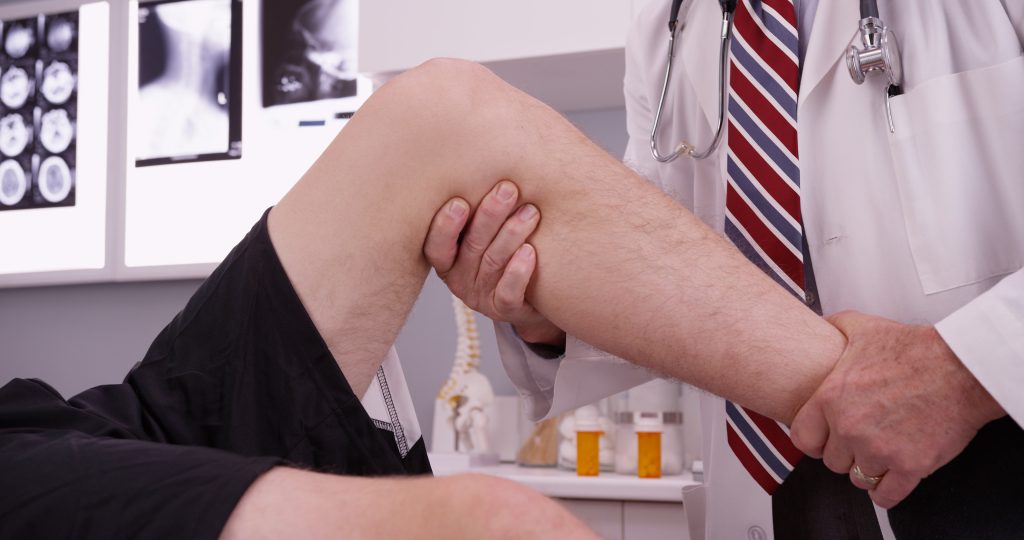
Knee injuries, including meniscus tears and knee arthritis, are common and can significantly affect mobility and daily function.
Meniscus tears often occur during sports or activities where the foot remains planted while the knee twists, causing the cartilage to tear. Individuals with existing knee arthritis are also at higher risk due to the degeneration of cartilage. Common symptoms include swelling, pain, difficulty bending or straightening the knee, and sometimes a catching or locking sensation.
Treatment options for meniscus tears depend on severity and may include:
- Conservative measures such as rest, ice, compression, and elevation (RICE)
- Targeted medical management and activity modification
- Surgery in cases where symptoms persist or the tear is severe
Early recognition and intervention are critical for preventing further damage, improving recovery, and restoring knee function.
Knee arthritis, caused by aging, overuse, or joint degeneration, leads to symptoms such as pain, stiffness, and reduced mobility. This condition can significantly impact daily activities, from walking to climbing stairs. Treatment options at Academy Orthopedics include:
- Medications to manage pain and inflammation
- Injections to reduce discomfort and improve joint function
- Partial or total knee replacement for advanced cases
Orthopaedic surgeons at Academy Orthopedics provide individualized care, helping patients regain mobility and maintain their quality of life.
Hip Injuries: Fractures and Arthritis
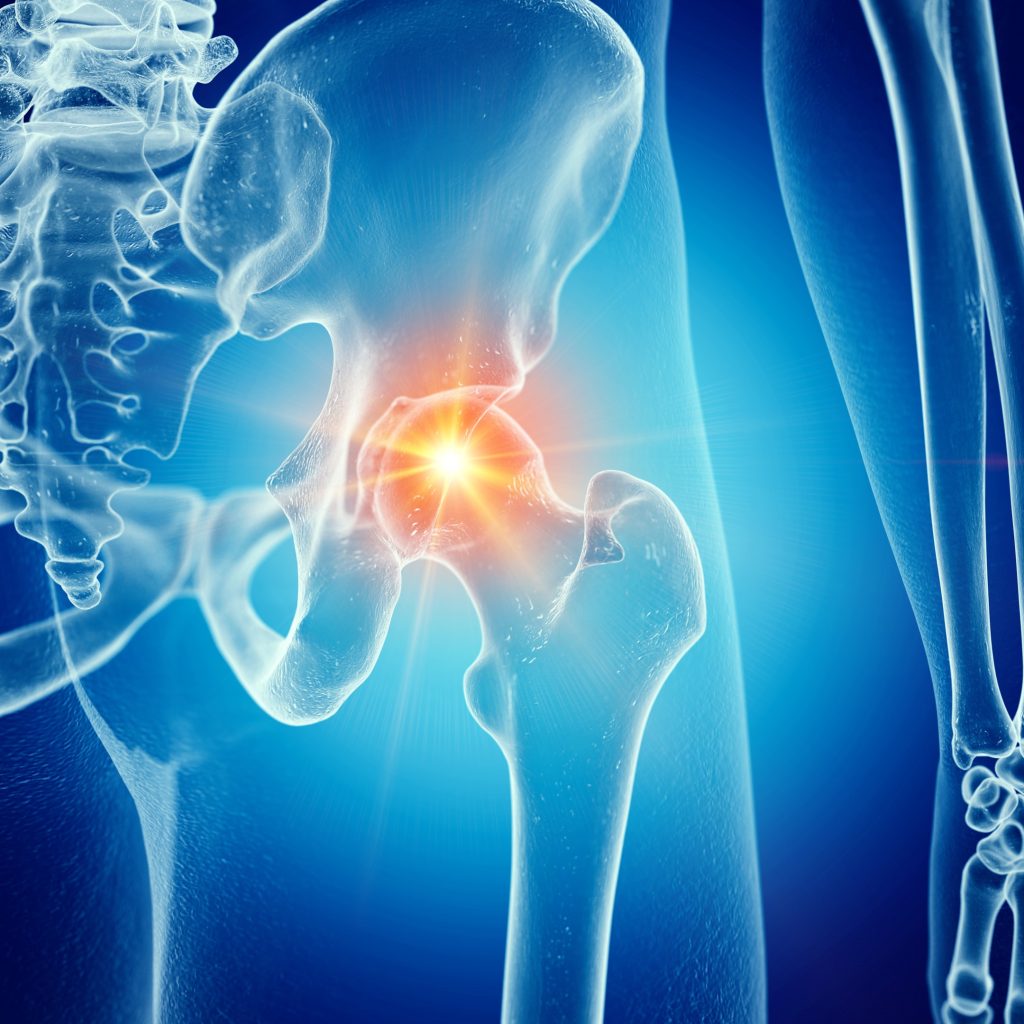
Hip injuries, including fractures and arthritis, can significantly affect mobility and daily life, making even simple activities like walking, climbing stairs, or standing painful and challenging.
Hip fractures most commonly occur from falls, particularly among older adults or individuals with weakened bones due to osteoporosis. These injuries often cause sudden, severe hip pain, swelling, and an inability to bear weight on the affected leg. Prompt evaluation and treatment are essential to restore mobility and prevent further complications. Surgical repair or hip replacement is often necessary to relieve pain and regain function.
Hip arthritis develops when the cartilage that cushions the hip joint wears down over time or due to inflammatory conditions. Symptoms include persistent joint pain, stiffness, and reduced range of motion, all of which can interfere with daily activities and overall quality of life. Non-surgical treatments, including medications to manage pain and inflammation and lifestyle adjustments to reduce joint stress, can help manage symptoms. In more advanced cases, partial or total hip replacement may be recommended to restore mobility and improve daily functioning.
👉Also Read: Relieving Hip Pain with Arthroscopic Surgery: What Your Orthopedic Surgeon May Recommend
Ankle Injuries: Fractures and Treatment Options

Ankle injuries, particularly fractures, are common and often result from falls, sports-related impacts, or missteps that cause twisting or excessive pressure on the joint. Symptoms of an ankle fracture may include:
- Immediate, severe pain
- Swelling and bruising
- Difficulty walking or bearing weight
- In severe cases, the bone may break through the skin, increasing the risk of infection
Treatment for ankle fractures depends on the severity and location of the break. Mild fractures are typically managed with immobilization using a cast or walking boot, while more complex fractures may require surgical intervention to realign and stabilize the bones. Early diagnosis and prompt treatment are essential to ensure proper healing, restore function, and prevent long-term complications.
Non-Surgical Treatment Approaches at Academy Orthopedics
At Academy Orthopedics, many injuries can be effectively managed without orthopaedic surgery. Non-surgical treatments focus on reducing pain, restoring function, and supporting the body’s natural healing processes. These approaches are often the first line of care for conditions such as mild ligament sprains, tendonitis, early-stage arthritis, and minor fractures.
Common non-surgical treatment options include:
- Medications: Anti-inflammatory and pain-relieving medications can help manage discomfort and reduce swelling within a few weeks.
- Injections: Targeted injections, such as corticosteroids or platelet-rich plasma (PRP) therapy, can decrease inflammation and promote healing in specific joints or tendons.
- Bracing and Immobilization: Supports, splints, and walking boots can stabilize injured areas, allowing tissues to heal while minimizing stress on the joint.
- Activity Modification: Guidance on adjusting daily activities or sports routines can help prevent further injury and protect healing tissues.
These non-surgical approaches are tailored to each patient’s condition, severity of injury, and lifestyle needs. By combining advanced medical treatments with individualized care, Academy Orthopedics helps patients manage pain, improve mobility, and maintain an active lifestyle without immediate surgery.
Surgical Treatment Solutions at Academy Orthopedics
For more severe or persistent orthopedic injuries, surgical intervention may be necessary to restore function, relieve pain, and prevent further complications. At Academy Orthopedics, surgical treatments are performed using advanced techniques that prioritize precision, safety, and patient recovery.
Common surgical options include:
- Arthroscopic Meniscus Repair Surgery: Minimally invasive procedures that allow orthopedic surgery specialists to repair torn ligaments, tendons, or cartilage with smaller incisions, reducing recovery time and post-operative discomfort.
- Fracture Repair: Surgical realignment and stabilization of broken bones to ensure proper healing and restore mobility.
- Joint Replacement: Partial or total replacement of severely damaged joints, such as the knee or hip, to relieve pain and improve function.
- Ligament and Tendon Reconstruction: Procedures to repair or reconstruct torn ligaments and tendons, often used in knee, shoulder, and ankle injuries.
Every surgical plan at Academy Orthopedics is tailored to the patient’s specific injury, overall health, and lifestyle goals.
Prevention and Long-Term Joint Health Strategies
Maintaining healthy joints and preventing orthopedic injuries is essential for long-term mobility, independence, and overall quality of life. At Academy Orthopedics, patients are encouraged to adopt proactive strategies that support joint health, reduce injury risk, and enhance recovery from existing conditions.
Key strategies include:
- Regular Exercise: Engaging in low-impact activities such as swimming, cycling, or walking helps strengthen muscles, maintain flexibility, and support joint stability.
- Proper Body Mechanics: Using correct techniques during daily activities, sports, and lifting can minimize stress on joints and reduce the risk of injury.
- Healthy Weight Management: Maintaining a healthy weight reduces pressure on weight-bearing joints, particularly the knees, hips, and ankles, lowering the risk of arthritis and joint degeneration.
- Balanced Nutrition: A diet rich in vitamins, minerals, and anti-inflammatory foods supports bone density, joint function, and tissue repair.
- Early Intervention: Recognizing symptoms such as pain, swelling, or stiffness and seeking prompt evaluation can prevent minor issues from progressing into more serious injuries.
- Protective Supports: Using braces, splints, or appropriate footwear during high-risk activities can provide additional stability and reduce the likelihood of injury.
👉Also Read: From Pain to Progress: Identifying Fractured Tibia Symptoms and Seeking Timely Care
Regain Your Mobility and Live Pain-Free – Schedule Your Consultation Today
Orthopedic injuries can limit your movement, disrupt daily activities, and affect your overall quality of life. Whether you are experiencing shoulder pain, hand or wrist discomfort, knee or hip issues, or ankle injuries, timely evaluation and treatment are essential to prevent further complications and restore function.
At Academy Orthopedics in Cumming, GA, our team of skilled orthopedic surgeons provides personalized care for a full spectrum of musculoskeletal conditions. From advanced non-surgical treatments—such as medications, targeted injections, and bracing—to precise surgical interventions like arthroscopic repair, fracture stabilization, joint replacement, and ligament reconstruction, we tailor every plan to your specific needs and lifestyle goals. We take pride in providing specialized care for the North Atlanta community including Forsyth, Gwinnett, Hall and Fulton Counties.
We also emphasize prevention and long-term joint health, offering guidance on exercise, nutrition, body mechanics, and protective strategies to help you maintain strength, flexibility, and mobility for years to come.
Don’t let pain or limited movement keep you from the activities you love. Schedule an appointment today at 770-271-9857 and take the first step toward recovery, improved joint function, and an active, pain-free life.